
It has been a very useful tool for me since we implemented it; it makes troubleshooting in the field much easier especially when I don’t have a network connection. It is getting used a lot, and most of the staff have taken to it very quickly. Overall, it has been well worth the effort to get it working from the early stages.
The Challenge
RMU relied on in-facility SCADA access and limited VPN connections for system visibility. Field crews typically had to return to the operations room for detailed SCADA insight, and night service personnel lacked a reliable way to monitor alarms or system conditions outside staffed hours. Temporary workarounds, including a SCADA stream hosted on a private video channel, were inconsistent and tied up valuable software licenses. Without secure, remote access to operational data, response times were slower and troubleshooting was less efficient.
The Solution
RMU implemented SurvalentONE Live, a secure read-only web interface that extends SCADA visibility beyond the operations room without introducing command capability or requiring VPN access.
RMU deployed Live in phases, beginning with a small user group to refine dashboards and improve workflow alignment before broader rollout. Dashboards were centrally managed and designed to mirror familiar SmartVU screens, enhancing usability and adoption. Live provides access across phones, tablets, and computers, enabling real-time monitoring from virtually any location.
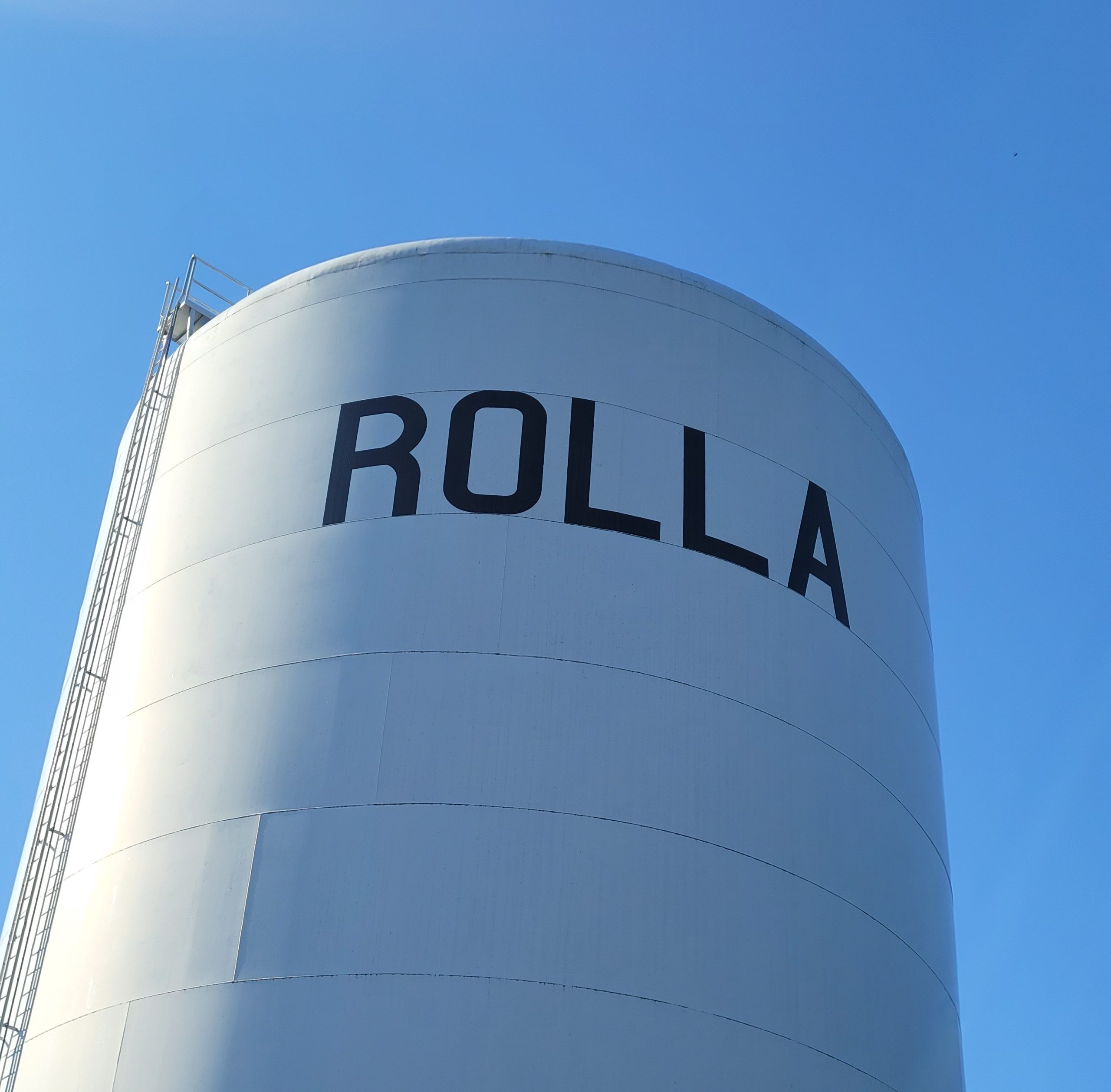
Since implementation, field crews can remotely monitor water tower levels, well operations, and system conditions—even when the operations room is unstaffed. Distributed generators can be tracked while crews are enroute, technicians can troubleshoot substations without connecting directly to the SCADA network, and on-call staff can immediately assess alarms and dispatch crews with clear situational awareness.
Rolla Municipal Utilities (RMU), a municipally owned electric and water utility serving the City of Rolla, Missouri, operates a distributed network of substations, generators, wells, and water infrastructure. RMU’s infrastructure includes 16 substations spanning 4 kV to 138 kV, two switchgear locations, 17 power production generators, 19 wells, four pump stations, and six water towers, supporting nearly 10,000 electric meters and over 8,000 water meters.